
The evolution of gambling A historical perspective on games of chance
The Origins of Gambling
The origins of gambling can be traced back thousands of years, with evidence of games of chance found in ancient civilizations such as Mesopotamia, China, and Egypt. The earliest known gaming artifacts, dating back to around 3000 BCE, include dice made from animal bones. These simple games laid the groundwork for more complex forms of gambling that would evolve over time. As societies advanced, so did their methods of wagering, incorporating various cultural elements into the games they played. One notable example is how modern platforms like Ripper Casino redefine traditional gaming experiences.
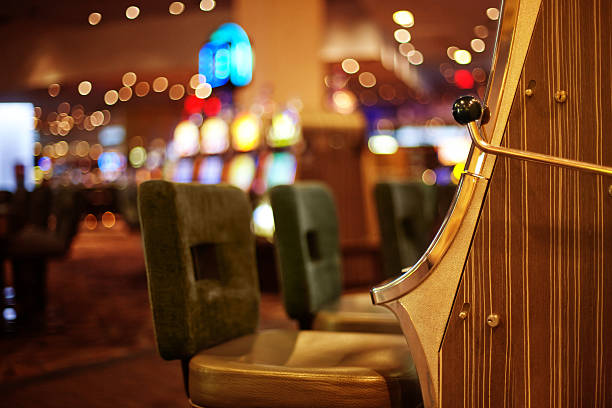
In ancient China, for example, gambling was deeply intertwined with social practices. Keno, believed to have originated during the Han Dynasty, served not only as entertainment but also as a means of raising funds for government projects. Similarly, in ancient Rome, gambling became popular among soldiers and citizens alike, with evidence showing the use of betting in chariot races and gladiatorial contests. This historical context reveals how gambling has consistently evolved alongside cultural and societal developments.
As we moved into the Middle Ages, gambling began to formalize, with the establishment of gaming houses and the introduction of card games, which became especially popular in Europe. The creation of playing cards in the 14th century marked a significant turning point, offering a new dimension to gambling. These early establishments set the stage for modern casinos, where gambling would continue to flourish in increasingly organized environments.
The Rise of Casinos
The modern casino as we know it began to take shape in the 17th century, particularly in Venice, Italy, where the first official gambling house was established in 1638. These early casinos were luxurious venues that catered to the affluent class, combining elements of socialization, dining, and entertainment. This blend of experiences attracted a diverse clientele, which helped to popularize gambling across Europe.
As the casino culture spread, variations emerged in different regions. The establishment of the Monte Carlo Casino in the 19th century marked a significant milestone in the evolution of gambling venues. Known for its opulence and sophistication, Monte Carlo set a standard for casinos worldwide, influencing architecture, design, and gaming practices. This era also saw the introduction of various table games, such as roulette and blackjack, which quickly became staples in gaming establishments.
By the mid-20th century, casinos began to expand beyond Europe, with Las Vegas becoming a gambling mecca. The combination of entertainment, hospitality, and gambling revolutionized the industry, leading to the development of themed resorts that offered a full spectrum of experiences. This evolution transformed casinos into major tourist destinations, paving the way for the global casino industry we recognize today.
The Regulation of Gambling
As gambling grew in popularity, the need for regulation became increasingly apparent. Governments around the world began to impose rules to manage the industry, ensuring fairness and preventing fraud. The establishment of regulatory bodies and licensing systems was crucial in maintaining a safe gambling environment for players. In the United States, the repeal of Prohibition in the 1930s opened the door for legal gambling in Nevada, leading to the state’s first licensing of casinos.
Regulation varied by country and region, reflecting cultural attitudes toward gambling. In some places, such as Australia and parts of Europe, gambling was embraced as a legitimate form of entertainment, leading to comprehensive regulations that prioritized responsible gaming. Conversely, in many regions, gambling remained stigmatized, leading to more stringent laws and restrictions. This divergence created a patchwork of regulations that still exists today, influencing how gambling is conducted across the globe.
In recent years, the rise of online gambling has prompted further regulatory scrutiny. As technology evolves, the challenge of monitoring and regulating online platforms has become paramount. Many jurisdictions have enacted laws governing online casinos and sports betting, reflecting a growing acceptance of digital gambling. This shift illustrates the ongoing evolution of gambling, adapting to modern technological advances while striving to maintain a fair and secure environment for players.
Gambling Myths and Realities
Throughout history, gambling has been shrouded in myths and misconceptions. One common belief is that gambling is purely a game of chance, devoid of any skill or strategy. While luck plays a significant role in many games, skilled players can improve their odds through strategy and understanding game mechanics. For example, in poker, a player’s ability to read opponents and make calculated decisions can lead to long-term success.
Another prevalent myth is the notion of “hot” and “cold” machines in casinos. Many gamblers believe that certain slot machines are due for a payout or have been lucky recently. However, slot machines operate on Random Number Generators, meaning each spin is independent of the last. This misunderstanding can lead to poor gambling practices and unrealistic expectations about winnings.
As gambling continues to evolve, it’s essential for players to recognize the realities behind their perceptions. Understanding the principles of responsible gaming and the odds involved in each game can enhance the gambling experience. By debunking myths and educating themselves, players can approach gambling with a more informed perspective, ultimately making smarter choices.

Ripper Casino and the Future of Gambling
As the gambling landscape continues to shift, online platforms like Ripper Casino are leading the charge in making gaming more accessible and enjoyable. With an extensive library of over 2,500 games, Ripper Casino caters to a diverse audience, offering everything from popular slots to classic table games. The site exemplifies the modernization of gambling, providing users with the convenience of playing from the comfort of their homes or on-the-go with a mobile-friendly interface.
Ripper Casino also prioritizes user experience by offering attractive promotions, including welcome bonuses and cashback options. This focus on rewarding players not only enhances engagement but also encourages responsible gambling habits. Furthermore, Ripper Casino ensures a secure environment with various payment options, including cryptocurrency, highlighting a growing trend in the digital gambling space.
As we look to the future, platforms like Ripper Casino are shaping the next chapter in the evolution of gambling. With advancements in technology and changing player preferences, the industry will continue to adapt and innovate, ensuring that games of chance remain a popular form of entertainment for generations to come.